
Mag ISR
Magnetic intelligence, surveillance and reconnaissance — detecting what other sensors cannot see.
The problem
What this capability is
Cameras and radar see surfaces. A magnetometer reads the field, which means it reads through soil, through water and through structure: anything ferrous distorts the local field whether or not it can be seen.
Mag ISR is the use of that fact as a sensing discipline. A survey line is flown or driven across an area and the magnetometer records a profile. A buried mass appears as a compact departure from the smooth regional gradient underneath it, and the work is in separating the two — the regional field changes slowly and is uninteresting; the anomaly is small, local, and the entire point.
Doing this from a small platform is the constraint that has kept magnetic sensing specialised. A sensitive magnetometer has traditionally been a heavy instrument with an operator attached to it. Chip-scale atomic magnetometers change the trade: a sensor that is small and low-power can be carried by the platform that was already going there, and several can be carried at once — which is what turns a single profile into a map.
Applications
Example applications
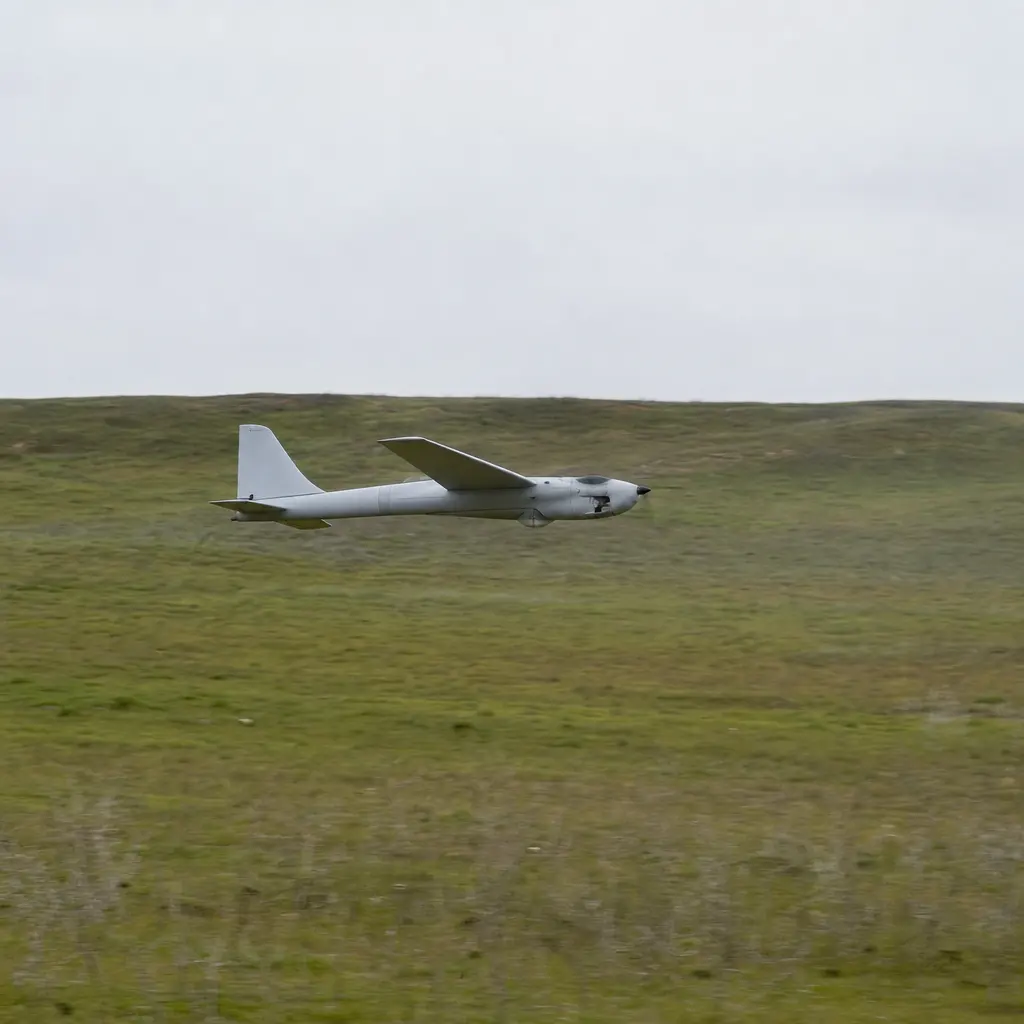
Applications are examples of what the capability enables, not products. Each one below is a system somebody already operates; the measurement is what would change about operating it.
- Defense
- Detection and classification of buried or submerged objects that give no optical or radar signature.